How to Reduce Dark Circles Quickly: A Guide
Beverly Hills · · Updated
Table of Contents
- What Causes Dark Circles Under the Eyes
- Best Ingredients for Dark Circles
- Fast-Acting Topical Treatments to Reduce Dark Circles
- Caffeine for Eye Puffiness and Dark Circle Appearance
- Skincare Routine for Tired Eyes
- Lifestyle and Nutritional Support for the Under-Eye Area
- Professional Treatments and When to Seek Dermatological Advice
- Conclusion
- Frequently Asked Questions
Last Updated: September 30, 2026
What Causes Dark Circles Under the Eyes
Dark circles aren't a single problem. They're caused by three different things happening under your eyes, and understanding which one applies to you matters because the fixes are different.
The under-eye skin is thinner than elsewhere on your face, with fewer oil glands and less underlying fat. This makes it more vulnerable to the factors that create dark circles.
Vascular dark circles
These are caused by blood vessels showing through thin skin. When blood vessels dilate (widen) or become more visible, the area looks darker. This happens because of poor circulation, allergies, fatigue, or simply how your skin is structured.
Vascular circles often look purplish or bluish and worsen after poor sleep. Cold compresses help by causing vasoconstriction, blood vessels tighten and become less visible, though the effect is temporary.
Allergies trigger vascular circles by causing inflammation and blood vessel dilation. If your dark circles worsen with seasonal allergies or when you're around specific triggers, this is likely your main issue.
Pigmentation and hyperpigmentation
Hyperpigmentation occurs when melanin deposits build up under the eyes, creating a brownish or greyish shadow. Unlike vascular circles, this doesn't respond to cold compresses because it's about skin colour, not blood vessel visibility.
Sun exposure accelerates melanin production around the eyes. The delicate skin there is often overlooked when applying SPF, allowing UV damage to accumulate over time.
Genetics play a role too. Some people naturally have more melanin in the periorbital area (the skin surrounding the eye). If your parents had dark circles, you're more likely to have them.
Rubbing your eyes during allergic reactions causes inflammation, which can stimulate melanin production over time.
Structural hollowness and tear trough depth
The tear trough is the hollow area running from the inner corner of your eye toward your cheekbone. As you age, the fat pad under your eyes decreases and skin loses collagen and elastin, becoming thinner and less supportive.
This creates a shadow, a literal depression in the skin that makes the area look darker, not discolouration.
Dehydration worsens this by making skin look sunken. Genetics determine your natural tear trough depth, but age and hydration affect how visible it becomes.
Best Ingredients for Dark Circles
Different ingredients address different causes. Using the right one for your specific problem makes the difference between results and wasted money.
Caffeine and vasoconstriction
Caffeine works by constricting blood vessels. This reduces the appearance of vascular dark circles by making the vessels smaller and less visible. The effect is temporary, usually lasting a few hours, but it's one of the fastest-acting ingredients available.
Caffeine also has mild anti-inflammatory properties, helping with puffiness that often accompanies dark circles.
For vascular circles caused by poor sleep or allergies, caffeine provides visible improvement while you address the root cause.
The concentration can matter. Effectiveness depends on the exact ingredient, chemical form, stability, delivery system, pH, vehicle, formulation and available evidence.
Vitamin C for brightness and collagen support
Vitamin C (L-ascorbic acid) does two things relevant to dark circles. First, it's a potent antioxidant that protects against sun damage and may help prevent further hyperpigmentation. Second, it supports collagen production, which helps skin maintain its structure and thickness.
For pigmentation-based dark circles, vitamin C can help reduce dark circles by supporting skin renewal and protecting against UV damage.
For structural hollowness, vitamin C's collagen-supporting properties help maintain skin firmness and thickness, improving the tear trough area.
Effectiveness of Vitamin C depends on the exact ingredient, chemical form, stability, delivery system, pH, vehicle, formulation and available evidence. A poorly formulated vitamin C serum won't deliver results regardless of concentration.
Retinoids for cell turnover
Retinoids accelerate skin cell turnover, helping with both pigmentation and skin thickness by increasing the rate at which dead skin cells shed and new cells surface.
They also support collagen production, helping address structural hollowness over time.
Retinoids require consistent use over weeks or months to show results and can cause irritation around the delicate eye area. Start with a low concentration and build tolerance gradually.
Retinol is gentler than prescription retinoids, making it more suitable for the eye area. Introduce it slowly and use it only a few times per week initially.
Hydroquinone and hydration for pigmentation
Hydroquinone directly inhibits melanin production and is one of the most effective ingredients for hyperpigmentation-based dark circles, though it requires careful use.
Hydroquinone can be effective for hyperpigmentation-based dark circles and typically requires consistent use over several weeks. It can cause irritation and should be used with SPF.
Hydration supports all types of dark circles by plumping the skin. Ingredients like hyaluronic acid draw water into the skin, making it look fuller and smoother, particularly helpful for structural circles.
Fast-Acting Topical Treatments to Reduce Dark Circles
When you need results quickly, for an event, meeting, or just to feel better today, these approaches work within minutes to hours.
Cold compress and vasoconstriction
A cold compress is the fastest way to reduce vascular dark circles by causing blood vessels to constrict immediately.
Apply a cold compress for 5-10 minutes in the morning using a clean cloth soaked in cold water, a jade roller, or a metal eye roller kept in the fridge. The cold itself is the active ingredient.
This effect is temporary, typically lasting 2-4 hours, and works best for vascular circles and puffiness.
Cold compresses are safe to use daily and have no side effects. They're a practical first step while you address underlying causes like sleep or allergies.
Eye serums with active concentrations
A targeted eye serum with caffeine, vitamin C, or retinol delivers concentrated active ingredients directly to the area, more effective than a general moisturiser because concentrations are higher and formulation is designed for delicate skin.
Serums absorb quickly and work best on clean, dry skin.
Concealer application technique
Concealer can't fix dark circles, but the right technique minimises their appearance immediately.
Caffeine for Eye Puffiness and Dark Circle Appearance
Caffeine reduces puffiness by constricting blood vessels and supporting fluid drainage. Puffiness alongside dark circles makes circles look worse because swollen tissue casts a deeper shadow.
Skincare Routine for Tired Eyes
A consistent routine addresses dark circles from multiple angles by layering complementary ingredients without overwhelming delicate skin.
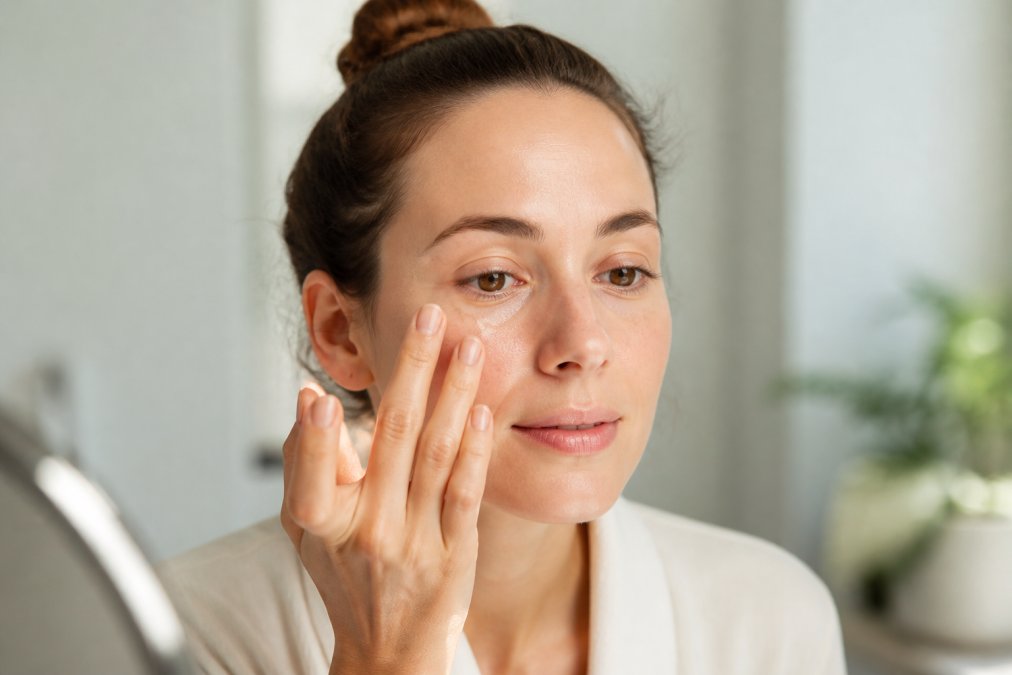
Morning routine for brightening
Start with a gentle cleanser. The eye area doesn't need special cleansing, but be gentle and avoid tugging.
Evening routine for repair
Apply a treatment serum with vitamin C, retinol, or another active ingredient designed to support skin renewal. Choose based on your priority: immediate appearance or long-term improvement.
Lifestyle and Nutritional Support for the Under-Eye Area
Topical treatments work better when you address the underlying factors that create dark circles in the first place.
Sleep hygiene and recovery
Poor sleep is one of the most common causes of dark circles. Insufficient sleep causes blood vessels to dilate and fluid to accumulate under your eyes.
Hydration and nutrient intake
Dehydration makes dark circles more visible because dehydrated skin looks thin and sunken. Drink enough water throughout the day, adjusted for activity level and climate.
Allergy management and sun protection
Allergies trigger inflammation and blood vessel dilation. If seasonal allergies worsen your circles, consider antihistamines, nasal sprays, or consulting an allergist.
Professional Treatments and When to Seek Dermatological Advice
When topical treatments aren't enough, professional options address dark circles more aggressively.
Dermal fillers for structural hollowness
Dermal fillers add volume to the tear trough area, reducing the shadow that creates dark circles. Results are immediate.
Chemical peels and microdermabrasion
Chemical peels accelerate skin cell turnover, helping with hyperpigmentation and supporting collagen production.
When to consult a dermatologist
See a dermatologist if:
- Dark circles persist despite consistent topical treatment for 8-12 weeks
- You suspect an underlying health issue (anaemia, thyroid problems, allergies)
- You're interested in professional treatments like fillers or peels
- Dark circles are severe and affecting your quality of life
- You have any skin irritation or adverse reactions to products
A dermatologist can determine the specific cause of your dark circles and recommend the most effective treatment approach for your situation.
Conclusion
Dark circles respond best to a combination approach: identify the cause, use targeted topical ingredients, maintain consistent routines, and address lifestyle factors like sleep and sun protection.
Frequently Asked Questions
What vitamin deficiency causes dark circles?
Iron deficiency is most commonly linked to dark circles. Low iron reduces oxygen delivery to the skin, making blood vessels and underlying tissue more visible. Vitamin B12, folate, and vitamin C deficiencies can also affect skin health and collagen production. If you suspect nutritional deficiency, a blood test from your GP can confirm this. Correcting the deficiency through diet or supplementation may help reduce dark circle appearance over weeks to months.
Can topical skincare reduce dark circles quickly?
Topical treatments work at different speeds depending on the cause. Caffeine-based serums can reduce puffiness and blood vessel visibility within 15-30 minutes through vasoconstriction. Vitamin C serums brighten the area and support collagen over weeks. Retinoids improve skin thickness gradually over months. For immediate results, a cold compress or concealer works fastest. For lasting improvement, consistent topical use over 4-8 weeks combined with sleep and hydration yields the best outcomes.
How does hydration impact the appearance of dark circles?
Dehydrated skin appears thinner and more translucent, making blood vessels and pigmentation beneath the surface more visible. This amplifies the appearance of dark circles. Well-hydrated skin has better plumpness and opacity, which helps mask vascular and pigmentation concerns. Drinking adequate water, using hydrating serums with hyaluronic acid, and applying eye creams supports skin hydration. Combined with sleep and reduced salt intake, hydration improvements can visibly reduce dark circle appearance within days.
Is there a fast way to reduce dark circles for an event?
For same-day results, use a cold compress for 10-15 minutes to reduce puffiness through vasoconstriction, apply a caffeine eye serum, then use a colour-correcting concealer matched to your skin tone. Green or peach-toned correctors neutralise blue and purple undertones; yellow or orange correctors work for brown circles. A hydrating eye cream under the concealer prevents creasing. This approach addresses vascular and pigmentation appearance within 30 minutes and lasts several hours.
Shop all